Government
Innovating Public Systems
With these seven levers, social entrepreneurs can foster change in everything from affordable housing to child welfare to poverty alleviation.

With these seven levers, social entrepreneurs can foster change in everything from affordable housing to child welfare to poverty alleviation.
We need more good examples and fewer good intentions in social entrepreneurship and humanitarian design.
Game mechanics will mature, and volunteer programs will adopt them to enhance their programs.
How do you inspire people, from your CEO to rural farmers to consumers, to change their ways to do good (or at least better) for society?
Whether there is a profit motive or not, the notion that business has a role to play in addressing societal issues is at the heart of today’s discourse on social entrepreneurship.
A new social enterprise incubator fills two critical gaps facing social entrepreneurs: mentoring and access to capital.
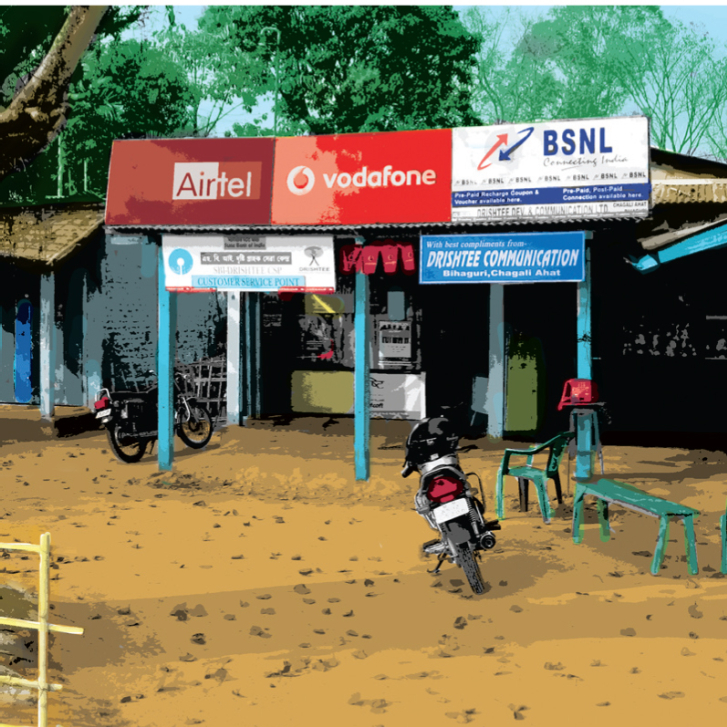
Microfranchising poses fewer risks and offers greater benefits than does creating a new business from scratch.

SMALL CHANGE: Why Business Won't Save the World by Michael Edwards
A look at leadership in the social sector.

Do you identify as an activist, a social entrepreneur, or both? What do they have in common? In this audio lecture sponsored by the Stanford Center for Social Innovation, Hayagreeva Rao, explores how the joined hands of activists, or "market rebels," shape markets, and how this promotes or blocks innovation. Rao's lessons are applicable to leaders in the nonprofit and for-profit spheres, marketers, and activists who harness collective action for institutional and social change.